The Energy Efficiency of Outdoor Dehumidifiers Explained
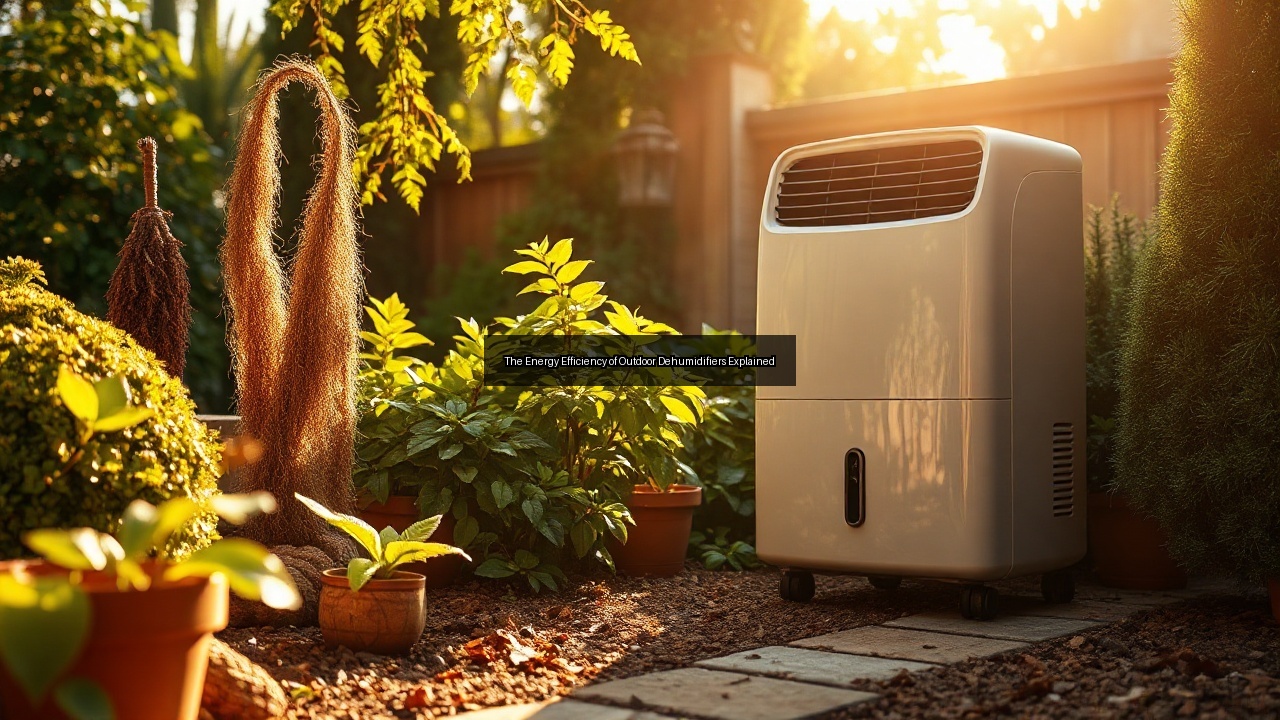
Understanding Outdoor Dehumidifiers
How Outdoor Dehumidifiers Work
Outdoor dehumidifiers play a crucial role in controlling humidity levels in various environments, from basements to warehouses. These units operate by drawing in moist air, which passes over a set of cold coils. As the air cools, moisture condenses and collects in a tank or is expelled through drainage. This process decreases humidity, improving comfort and preventing issues like mold growth. The efficiency of this moisture removal directly influences energy consumption, making it important to choose the right outdoor dehumidifier for your needs. Understanding operational mechanics helps in selecting a model that effectively reduces humidity while optimizing energy use.
The Role of Humidity and Moisture
Humidity refers to the amount of moisture present in the air. High humidity levels can lead to discomfort and promote mold and mildew growth, especially in outdoor areas where air circulation may be limited. By maintaining optimal humidity levels, outdoor dehumidifiers improve the overall environment. They are particularly useful in climates prone to high moisture, where outdoor activities may be affected. Reducing humidity with an outdoor dehumidifier not only enhances comfort but also protects structures from water damage. Proper humidity control is essential for preserving outdoor furniture and equipment, thereby extending their lifespan.
Key Components: Compressors and Tanks
Outdoor dehumidifiers consist of several key components that work together to achieve effective dehumidification. The compressor is the heart of the unit, driving the refrigeration cycle that cools the coils. This process allows moisture to condense and be removed from the air. Tanks collect the condensed water, which can either be emptied manually or drained automatically, depending on the model. Understanding these components helps users appreciate how outdoor dehumidifiers function and the importance of regular maintenance. A well-maintained compressor and tank ensure maximum efficiency, reducing energy consumption while effectively managing humidity levels.
Energy Efficiency and Performance
Evaluating Energy Consumption
Energy consumption is a significant factor in selecting an outdoor dehumidifier. Most models indicate their electricity usage in watts, which directly impacts your utility bill. For example, a unit that operates at higher wattage may remove more moisture but also consume more energy. Understanding how much energy a dehumidifier uses allows consumers to make informed choices that align with their sustainability goals. Additionally, energy-efficient models may have features like variable speed settings, which adjust power usage based on humidity levels. A thorough evaluation of energy consumption helps homeowners and businesses find a balance between performance and cost-effectiveness.
Energy Star Ratings Explained
Energy Star ratings provide a reliable benchmark for assessing the energy efficiency of outdoor dehumidifiers. Products that earn this certification meet strict standards set by the EPA for energy consumption while delivering effective moisture removal. For consumers, opting for an Energy Star-rated outdoor dehumidifier means reduced electricity costs and a smaller environmental footprint. These models often come equipped with advanced features that enhance energy efficiency, such as timers and programmable settings that optimize operation. Understanding Energy Star ratings not only helps in choosing a more efficient unit but also promotes responsible energy use.
Factors Affecting Energy Efficiency in Outdoor Units
Several factors influence the energy efficiency of outdoor dehumidifiers. The size of the unit relative to the space being dehumidified plays a critical role. An oversized unit may cycle on and off frequently, leading to increased energy consumption. Conversely, a unit that is too small will struggle to maintain desired humidity levels, also consuming excess power. Other factors include ambient temperature, humidity levels, and the quality of the compressor. Units equipped with high-quality compressors tend to operate more efficiently, consuming less electricity while effectively removing moisture. Regular maintenance, such as cleaning filters and checking duct systems, also enhances efficiency.
Choosing the Right Outdoor Dehumidifier
Comparing Capacity: Gallons per Day
When selecting an outdoor dehumidifier, understanding capacity is essential. Most units list their moisture removal capacity in gallons per day (GPD). This measurement indicates how much moisture the unit can remove from the air within a 24-hour period. For outdoor spaces, consider the humidity levels and the size of the area needing dehumidification. Larger capacity units are ideal for industrial applications or areas prone to high moisture, while smaller models may suffice for residential outdoor spaces. Evaluating capacity ensures that the chosen unit meets specific needs without wasting energy or underperforming.
Industrial vs. Residential Outdoor Dehumidifiers
Industrial outdoor dehumidifiers differ significantly from residential models in terms of capacity and features. Industrial units often boast higher GPD ratings, making them suitable for large warehouses, factories, or construction sites. They may also include advanced features such as robust compressors and durable tanks designed for continuous operation. In contrast, residential outdoor dehumidifiers prioritize ease of use, portability, and aesthetic considerations. When selecting between the two, assess the intended use and the specific moisture issues at hand. Choosing the appropriate type ensures effective dehumidification tailored to the environment’s demands.
Warranty Considerations
A warranty serves as a critical consideration when investing in an outdoor dehumidifier. A robust warranty indicates the manufacturer’s confidence in their product, providing peace of mind for consumers. Warranties can vary widely, covering components such as the compressor, tank, and electrical parts. Before making a purchase, review the warranty terms to understand what is covered and for how long. A solid warranty not only protects your investment but also encourages proper maintenance and timely repairs, ultimately extending the lifespan of the dehumidifier. Always consider warranty details to ensure long-term reliability.
Maintaining Your Outdoor Dehumidifier
Regular Maintenance Tips
Regular maintenance is crucial for ensuring the longevity and efficiency of your outdoor dehumidifier. Start by cleaning or replacing filters as recommended by the manufacturer, as clogged filters can impede airflow and reduce performance. Inspect the tank regularly to prevent overflow and ensure that it is draining properly. Check for any signs of wear or damage on the compressor and other components. Additionally, keeping the unit free of debris and ensuring proper airflow around the dehumidifier enhances its effectiveness. Adopting a regular maintenance schedule guarantees optimal operation and energy efficiency over time.
Troubleshooting Common Issues
Outdoor dehumidifiers may encounter various issues that can affect their performance. Common problems include insufficient moisture removal, unusual noises, or water leaks. If the unit fails to remove moisture effectively, check the humidity settings and ensure the tank is empty. Noises may indicate a problem with the compressor or fan, while leaks could signal a clogged drain line. Identifying and addressing these issues promptly helps maintain the dehumidifier's efficiency. Consulting the user manual can provide insight into troubleshooting methods and maintenance practices, ensuring the unit operates smoothly.
The Importance of Duct Systems in Dehumidification
Duct systems play a vital role in the effectiveness of outdoor dehumidifiers, especially in air dehumidifiers larger spaces. Properly designed ductwork ensures that the dehumidified air circulates efficiently throughout the area, preventing localized humidity pockets. This distribution is crucial for achieving consistent humidity levels, as stagnant air can lead to moisture buildup. Regular inspection of duct systems for leaks or blockages is essential to maintain performance. Integrating a dehumidifier with existing HVAC systems enhances overall climate control and energy efficiency, creating a more comfortable environment in both residential and industrial settings.