Future Trends in Dedicated Outdoor Air Systems for Sustainable Building Design
Understanding Dedicated Outdoor Air Systems (DOAS)
Components of DOAS
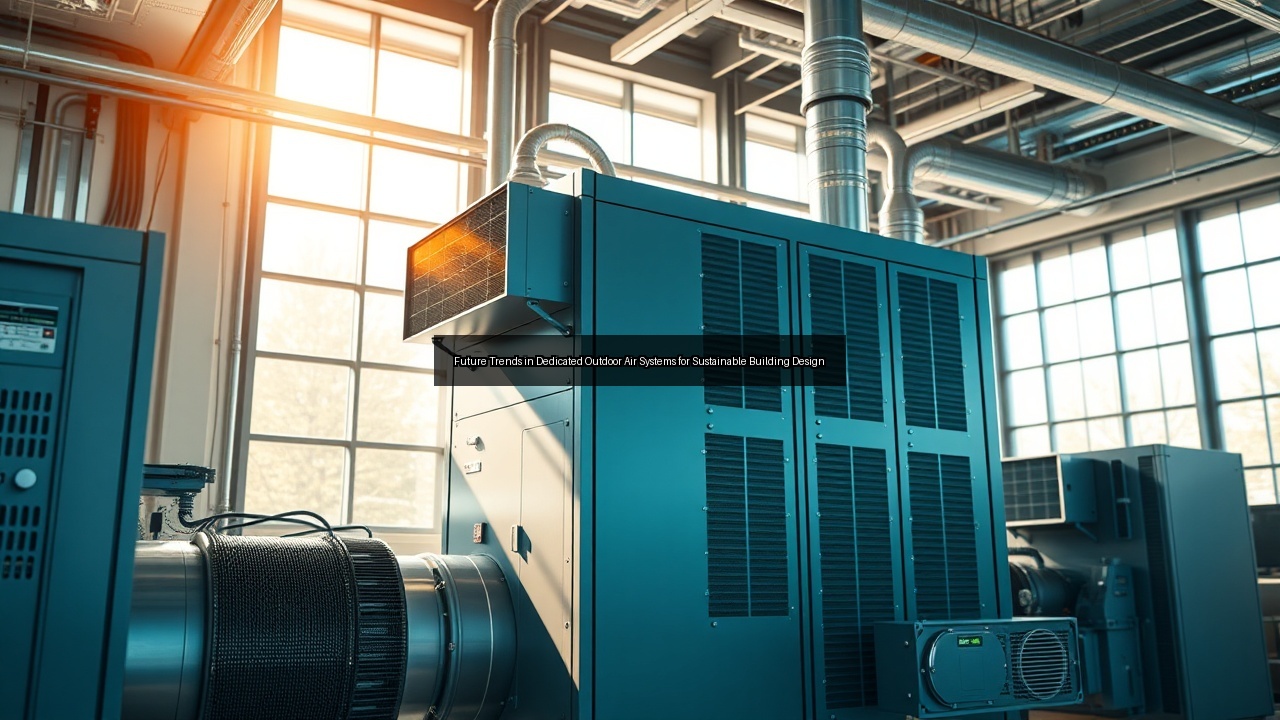
A dedicated outdoor air system (DOAS) functions as a specialized ventilation solution designed to enhance indoor air quality while efficiently managing humidity. The primary components of a DOAS include an outdoor air intake, filters, heating and cooling coils, and an exhaust system. The outdoor air intake draws in fresh air, which then undergoes filtration to remove particulates and contaminants, ensuring cleaner air enters the building. Heating and cooling coils condition the air to maintain optimal temperature and humidity levels before distributing it throughout the space. This design allows for precise control over indoor climate conditions, making it essential for applications where air quality and comfort are paramount, such as in healthcare facilities, commercial buildings, and educational institutions.
How DOAS Improves Air Quality
DOAS significantly enhances air quality by providing a continuous supply of fresh outdoor air, which dilutes indoor pollutants and reduces carbon dioxide levels. Traditional HVAC systems often recirculate stale indoor air, leading to a buildup of toxins and allergens. In contrast, a dedicated outdoor air system introduces a steady flow of clean air, improving overall ventilation. This influx of fresh air minimizes the risks associated with sick building syndrome, where occupants experience health issues related to poor air quality. Additionally, DOAS systems can be equipped with advanced filtration technologies that capture even smaller particles, including pollen, dust, and volatile organic compounds (VOCs). By promoting better air quality, these systems contribute to healthier environments that enhance productivity and well-being.
The Role of Ozone in Air Systems
Ozone plays a dual role in air systems, acting both as a beneficial and harmful agent. In controlled amounts, ozone can be effective in purifying air by breaking down pollutants and enhancing the overall air quality. However, excessive ozone levels can lead to respiratory issues and other health concerns. In dedicated outdoor air systems, engineers must carefully balance the benefits of ozone generation with its potential risks. Advanced DOAS designs incorporate ozone monitors and controls to maintain safe levels while still leveraging its purifying properties. This ensures that the air delivered into a building is not only free from contaminants but also poses no health risks to occupants. By managing ozone levels effectively, DOAS can maximize air quality benefits while minimizing potential drawbacks.
Engineering Innovations in DOAS
Advanced Calibration Techniques
Engineering advancements have led to the development of sophisticated calibration techniques for dedicated outdoor air systems. Calibration ensures that the DOAS operates at optimal efficiency, accurately measuring airflow, temperature, and humidity. Engineers utilize state-of-the-art sensors and control algorithms to achieve precise adjustments based on real-time data. This proactive approach enhances system performance, reduces energy consumption, and maintains consistent air quality. Furthermore, advanced calibration techniques enable building managers to monitor and adjust settings remotely, streamlining maintenance and operation. As building designs evolve and energy standards become more stringent, these innovations play a crucial role in ensuring DOAS meets regulatory requirements while delivering superior performance.
Integration with Air Conditioning Systems
Integration of dedicated outdoor air systems with existing air conditioning systems represents a significant trend in HVAC engineering. By working in tandem, these systems can optimize energy use while maintaining ideal indoor conditions. The DOAS handles ventilation, supplying fresh air to dilute indoor pollutants, while the air conditioning system focuses on cooling and dehumidification. This division of labor enhances overall efficiency, reducing the load on traditional HVAC units and lowering energy costs. Additionally, smart building technologies allow for seamless integration, enabling systems to communicate and adapt to changing conditions. This collaborative approach not only improves air quality but also extends the lifespan of mechanical equipment, making it a win-win for building owners.
Reliability in Critical Applications: Servers and Oil & Gas
Dedicated outdoor air systems offer unmatched reliability in critical applications, particularly in environments like data centers and oil and gas facilities. For servers, maintaining optimal temperature and humidity is vital for preventing overheating and ensuring continuous operation. A DOAS can provide the necessary cooling and ventilation to protect sensitive equipment from failure. In oil and gas operations, where hazardous materials are present, effective ventilation is crucial for safety and compliance. DOAS can help manage air quality, reducing the risk of gas accumulation and ensuring a safe working environment. This reliability underlines the importance of investing in robust DOAS solutions, especially in sectors where equipment downtime can lead to significant financial losses.
Cost-Effectiveness and Sustainability
Evaluating the Cost of DOAS Implementation
When evaluating the cost of implementing a dedicated outdoor air system, several factors come into play. Initial installation costs can be higher than traditional HVAC systems due to the specialized components and technologies involved. However, these costs must be weighed against long-term savings. DOAS typically leads to reduced energy consumption and lower utility bills due to its efficient operation. Additionally, government incentives and rebates for energy-efficient systems can offset initial expenses. A thorough cost-benefit analysis reveals that while the upfront investment may be significant, the return on investment (ROI) through energy savings, improved air quality, and enhanced occupant productivity can make DOAS a financially sound choice over time.
Long-term Benefits of Outdoor Air Systems
The long-term benefits of dedicated outdoor air systems extend beyond immediate cost savings. Enhanced air quality contributes to healthier indoor environments, which can lead to reduced absenteeism and improved productivity among occupants. In commercial settings, this translates into higher employee satisfaction and retention rates. Furthermore, DOAS can help buildings achieve sustainability certifications, such as LEED, which adds value to properties and makes them more attractive to environmentally conscious tenants. The durability of DOAS components also means reduced maintenance costs over time, making them a wise investment for building owners focused on long-term sustainability and operational efficiency.
Sustainable Building Design with Three Phase Systems
Three phase systems play a crucial role in the sustainable design of dedicated outdoor air systems. These systems utilize three-phase power to operate motors more efficiently, significantly reducing energy consumption compared to single-phase systems. By employing three-phase technology, DOAS can achieve better performance, especially in large commercial applications where demand for ventilation is high. Engineers can design systems that dynamically adjust to varying occupancy levels and environmental conditions, further optimizing energy use. The integration of three-phase systems into sustainable building designs aligns with the growing trend toward energy efficiency and carbon reduction, making it a vital component in the journey toward greener buildings.
Future Applications and Trends
Emerging Technologies in Outdoor Air Systems
The future of dedicated outdoor air systems is bright, with emerging technologies poised to transform how these systems operate. Innovations in IoT (Internet of Things) allow for smarter DOAS that can learn from user behavior and environmental changes. Sensors will monitor air quality in real-time, adjusting system performance to ensure optimal conditions at all times. Furthermore, advancements in filtration technology will enhance the ability of DOAS to remove even finer particulate matter and pathogens, providing a healthier indoor environment. As smart building technologies continue to evolve, the integration of AI-driven analytics will streamline operations and maintenance, making DOAS more efficient and user-friendly.
Adaptability of DOAS in Various Industries
Dedicated outdoor air systems demonstrate remarkable adaptability across various industries. From commercial office spaces to healthcare facilities and educational institutions, the versatility of DOAS makes it a suitable choice for diverse applications. In the food processing industry, for example, DOAS can help maintain a controlled environment to preserve product quality while minimizing contamination risks. Similarly, in the hospitality sector, these systems enhance guest comfort by providing superior air quality. The adaptability of DOAS ensures its relevance in a wide range of sectors, making it a crucial element in future building designs aimed at sustainability and energy efficiency.
Interface Design for Enhanced User Experience
User experience plays a vital role in the effectiveness of dedicated outdoor air systems. Future designs will focus on creating intuitive interfaces that allow users to easily monitor and adjust system parameters. Interactive dashboards will provide real-time data on air quality, energy consumption, and system performance, empowering users to make informed decisions. The integration of mobile applications will enhance accessibility, enabling users to control their DOAS remotely. By prioritizing user-friendly interface design, manufacturers can ensure that building occupants engage with their air systems effectively, ultimately leading to better air quality management and enhanced satisfaction.
See Also
- A Deep Dive into the Engineering Behind Dedicated Outdoor Air Systems
- Understanding the Importance of Reliability in Dedicated Outdoor Air Systems
- The Future of Air Conditioning Featuring Dedicated Outdoor Air Systems
- Enhancing Indoor Air Quality with Dedicated Outdoor Air Systems
- Calibration Tips for Achieving Optimal Performance in Your Outdoor Air System